Treatments
Choosing the Right Procedure For Your Skin Type
Sep
Cosmetic treatments are really having their moment in the sun! It feels like social media is inundated with testimonials, options, reviews and before and afters!
With this abundance of information, embarking on a skin health journey is more accessible than ever, however, when considering where to begin, the sea of options can feel a little endless and overwhelming. It is important to note that skin health, just like wellness and overall health, is a journey, not a quick stop!
We want to help you figure out the best treatment plan moving forward that will maintain your best skin long term, whether this be in clinic or at home the best treatment will always come with consistency and long-term care, but most importantly, be personalised to YOUR skin.
If you’re considering jumping into a skin journey, or maybe refreshing your existing treatment plan, we need to consider some important factors when deciding what is the right fit for you and your skin!
Step 1 – Determining your Skin Type
What works for one skin can be totally wrong for another! This is where online testimonials can be misleading and difficult to broadly apply to all skin. So before considering a product or procedure, first you need to determine your skin type.
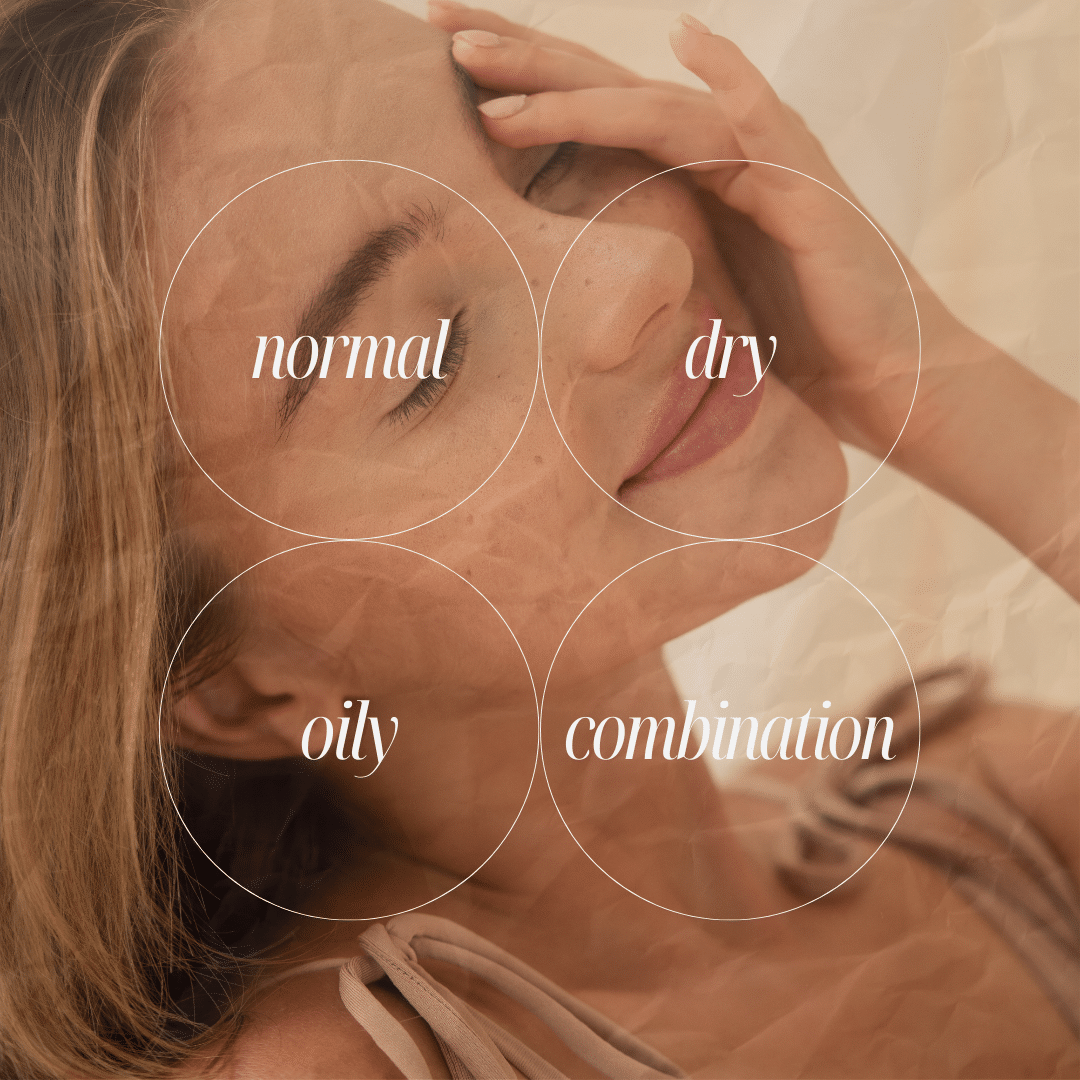
There are 5 universally agreed upon skin types, with some combinations and exceptions of course!
- Oily, can get shiny or greasy during the day, enlarged pores or acne can be experienced with this skin type
- Dry, lacks oil, can feel flaky or tight at times
- Normal, balanced, not really too far in either direction
- Combination, a mix, commonly experiences oil in certain areas (such as the T-zone) but dry elsewhere
- Sensitive, reactive, prone to redness, doesn’t tolerate products well (or so it would seem! Often sensitive skin just needs the correct assessment and prescription!)
There are also other categories your skin might fall into within these, such as
- Mature skin, skin changing with age, concerns being wrinkles and elasticity
- Impaired skin, may seem sensitive or reactive, but this is often due to external factors rather than a true skin type
- Photo-damaged skin, pigment changes are becoming noticeable
- Skins affected by a condition, such as Acne or Rosacea
- Melanin rich skins
It is incredibly important to remember that skin type and condition are not static; stress, climate, hormones and age can cause fluctuation at different stages. These small changes and differences are why, whilst these categories can help us broadly determine what our skin needs, a consultation and assessment with a practitioner is key in figuring out the correct and personalised course for your skin.
Step 2 – Setting your Goals
This is an important step because in determining your skin journey, we need to know where the journey is heading! Remember that skin health requires consistency; having a clear goal can help you stay on track long term. Determining a goal often requires considering what is missing or what you are unhappy about regarding your skin health. Then, considering what you want to see within your skin. Is is texture? Radiance? Clarity? Are you wanting to maintain your skin better long term?
For example; We often hear “I want to wear less make-up” , this might mean thinking about why you wear up? What is it that your foundation covers or provides in your skin?. Figuring out what it is you want to improve or change can help guide us in determining the best treatment plan for you!
Here are some questions you can ask yourself about your skin that can help determine your goals:
- Are you happy with your overall skin?
- What changes would you like to see?
- Is it the texture or the tone that you’re concerned with?
- Is your current skin care regime giving you the changes you wanted it to ?
- What is the first thing (positive or negative) that you notice in your skin ?
- Is there an event or occasion your wanting to build up towards?
Being clear about what you want to achieve is the best way to match your type and needs to a treatment plan.
Step 3 – Picking a Procedure
Now that you’ve determined what type of skin you have and what you want to achieve, it is time to consider the procedure or course that suits you!
This is primarily done in one of two ways:
- Google.. rabbit roles.. endless scrolling!
This method can be helpful in learning about treatments, hearing testimonials and becoming familiar with what treatments are being offered out there. Ultimately, this can be overwhelming and sometimes leave us with more questions than answers!
2. Consultation
Research can help, but ultimately finding a trusted practitioner to help guide you is the best way. Choosing a clinic and a practitioner can initially be just as overwhelming as deciding on a treatment plan!
Some things to consider …
- Qualification and Experience
- Transparency, images can be misleading, read testimonials and reviews as well
- Reputation and word of mouth
- Trust and report, trusting somebody with your skin and honestly your money can feel daunting, book a consult prior to your treatment, ask questions and ensure you feel right about the person your trusting to treat you
Our procedures range from entry-level, general skin health and maintenance to targeted and intensive, as well as everything in between.
Some popular treatments specifically for skin types are ..
Home Care
Home care is an important part your treatment and considered a treatment within itself. If your in-clinic visits are the ‘gym’, then at-home care is diet/lifestyle. A bespoke prescription home care regime is key in preparing and maintaining your skin health; this will often be a part of your consultation. This is where your skin type will be best supported.
Chemical Peels, Medi-facials and Microdermabrasion
Ideal for all skin types because of the custom nature of these treatments. These can be done on any skin type and can be altered to suit downtime, goals and skin needs. These treatments work best as a series or course. Regular facials are great for oily and combination skins in managing extra oil production but also can be utilised for dry skins in giving the skin an extra boost of hydration.
Mirco-Needling
With precise depth and targeted delivery, this treatment can assist in signs of aging, scarring, and general skin tone and health. Low – medium downtime can be achieved for most skins. Great for mature skin, thinning skin and oily skin concerned with enlarged pores.
Laser, light-based therapies, IPL etc.
We have a range of light-based devices that can address pigment, inflammation, signs of aging and more! Determining if a light based treatment is best for you is best to be discussed with your practitioner during consultation. With the right preparation and consultation, these treatments can be utilised for all skin types.
Step 4 – Consider what works best for YOU
Once you have an idea of potential treatments and courses. There are some factors to consider in fitting your procedure into your lifestyle. Your practitioner will go over these with you to find the best possible combination.
Treatment interval
How many treatments do you want to fit into a year? How much time can you dedicate to this?
If regular treatments are not something you want to embark on, then maybe your treatment plan will consist more of home care and a consistent regimen that will help achieve your goals.
Downtime
What will fit best with your lifestyle? Can you spare a few days of healing time? If you’re building up towards an event or specific goal, it can be best to book your plan out in advance so that we can fit the more “downtime” heavy treatments around your schedule.
Budget
An important consideration. This is where planning and having an honest and detailed consultation is key. A good treatment plan will consider long-term and ongoing skin health, which might mean multiple sessions. A good practitioner can help you prioritise your budget toward key aspects of a plan and help you determine the best way to balance this.
Long term practice = Long term results
Trends and quick fixes are not the key! Skin health is the same as fitness and overall health, requiring constant changes over time, holistic care, maintenance and a long-term outlook. This doesn’t need to mean we jump into everything at once! A good regime and plan is one you can build upon and that is tailored to you over time.
***
Ultimately, choosing the correct procedure doesn’t mean looking at what your best friend or favourite influencer is doing. Word of mouth, trends and social media are great for exposing us to what is out there and a great starting point in research and questioning. But understanding your skin, identifying your goals and then matching the treatment plan is the best approach in effectively achieving long-term skin health.
Whether you want to get ahead of signs of aging, freshen up dull or lacklustre skin, prepare for an event, manage oil, inflammation or acne or just ensure you’re on the right track – the best move? Find a qualified practitioner who will guide you on a skin journey bespoke to your skin and your needs.
Author: Nela Plecic, Dermal Clinician, BHScDT
Bachelor of Health Science (Dermal Therapies)